Post Written By-Jama Byrd
If you're thinking about vision adjustment choices, SMILE eye surgical treatment could be on your radar. This cutting-edge treatment includes creating a small lenticule in the cornea to deal with nearsightedness and astigmatism. Unlike standard LASIK, it's less invasive and guarantees quicker recovery. However, while there are considerable advantages, there are additionally threats included. Understanding both elements can aid you make an informed decision regarding your eye wellness. What's the recuperation procedure like, and what should you anticipate?
Understanding the SMILE Procedure
The SMILE treatment, or Small Laceration Lenticule Extraction, is a minimally invasive eye surgical procedure created to correct vision issues like nearsightedness and astigmatism.
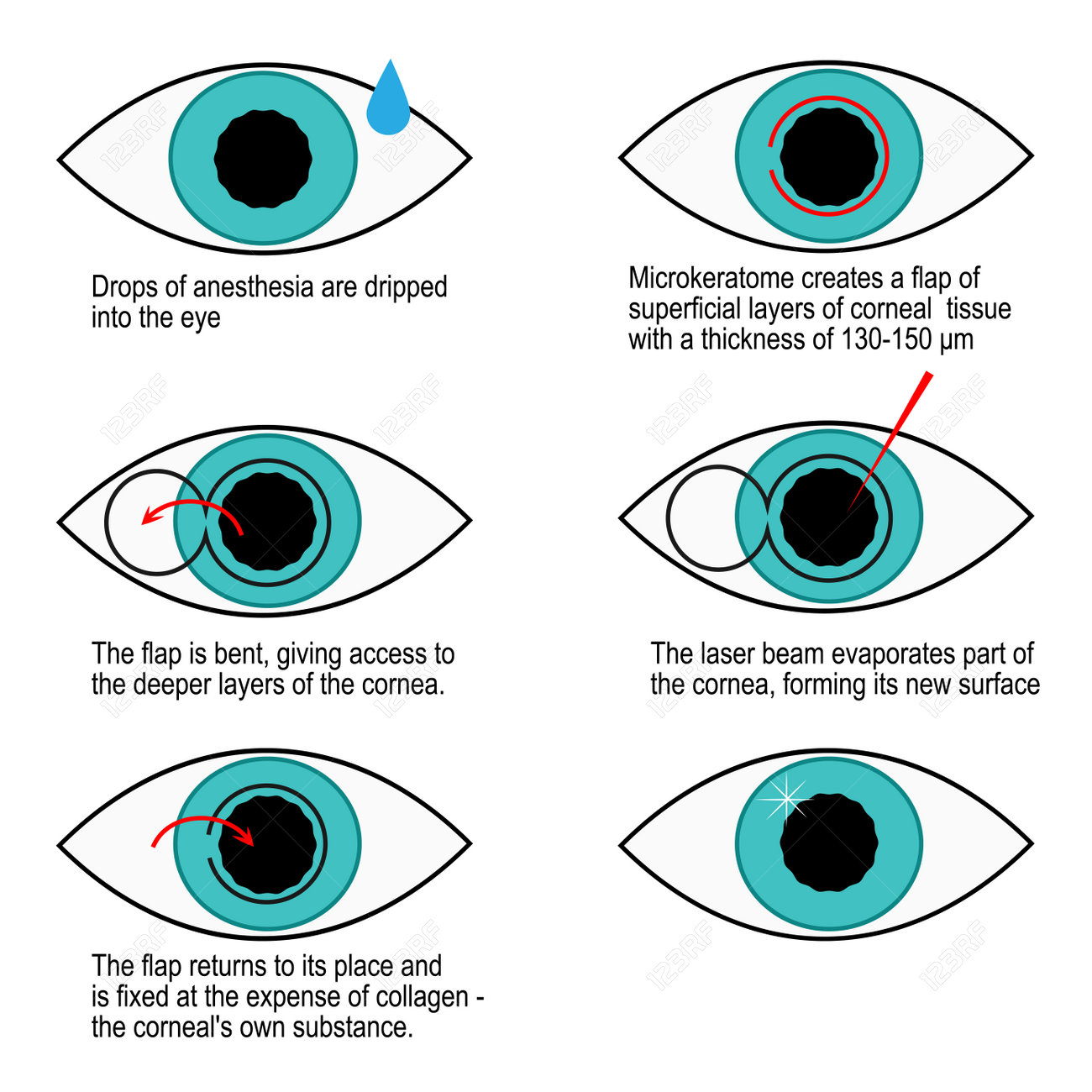
During this procedure, a laser produces a little lenticule, or lens-shaped cells, within the cornea. You will not need any kind of stitches, as the little incision enables a quick recuperation.
The surgeon then eliminates the lenticule with this small cut, improving your cornea to boost your vision. Unlike typical LASIK, SMILE does not need the creation of a big flap, which can lead to less problems.
You'll locate that this technique is less turbulent to the corneal framework, possibly improving stability. Comprehending the treatment helps you feel a lot more positive as you consider your options for vision improvement.
Conveniences of SMILE Eye Surgical Procedure
While thinking about vision correction options, you might find that SMILE eye surgery offers several engaging advantages.
First, it's minimally invasive, needing only a little cut, which suggests much less disturbance to your eye framework. This brings about quicker healing times and less discomfort contrasted to conventional LASIK.
You'll likewise appreciate its accuracy; SMILE uses sophisticated laser innovation to reshape the cornea, supplying exceptional results for nearsightedness and astigmatism.
In addition, numerous people report improved visual quality, with fewer instances of glow or halos. Given that there's no need for a corneal flap, your eyes remain a lot more stable post-surgery.
Finally, the procedure generally takes simply a few mins, allowing you to return to your day-to-day tasks much faster than with other approaches.
Possible Dangers and Healing Process
Although SMILE eye surgical treatment is typically safe, it's important to be knowledgeable about potential dangers that can occur throughout or after the treatment. Some individuals may experience short-lived side effects like dry eyes, glare, or halos around lights.
In rare instances, problems such as infection, vision loss, or the demand for additional surgical procedure can happen.
Recovery typically involves a couple of days of rest and staying clear of strenuous activities. You must follow your specialist's post-operative directions carefully, including making use of prescribed eye drops and attending follow-up consultations.
Several people see enhanced vision within a few days, yet full recovery can take weeks. Staying individual and providing your eyes time to heal is crucial for the very best result.
Verdict
In conclusion, SMILE eye surgical procedure uses a contemporary, minimally intrusive alternative for remedying nearsightedness and astigmatism. With its quicker recovery time and minimized pain, it's an attractive selection for many. Nevertheless, it's important to consider the possible dangers against the benefits. By remaining informed and complying with Refractive Surgery Benefits Washington D.C. -operative care, you can maximize your possibilities of a successful result. If you're considering this procedure, speak with your eye treatment expert to determine if it's right for you.